
Weak Monsoon May No Longer Derail India’s Rural Economy, Says Bernstein, as Water and Power Emerge as Bigger Concerns
- July 7, 2026
- Posted by: Ankit Jaiswal
- Category: News
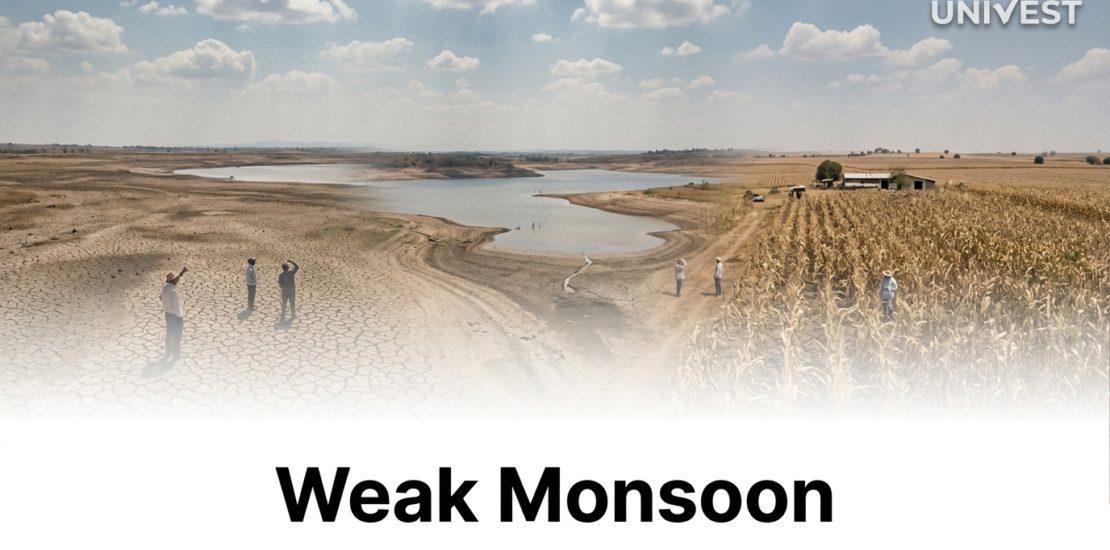
Weak monsoon rural economy link has fundamentally changed, says Bernstein. Water and power now bigger concerns than food shortages and widespread rural distress in India.
The traditional link between a weak monsoon rural economy slowdown has fundamentally changed, according to Bernstein, which argues that India’s economic dependence on monsoons has evolved structurally over time. The brokerage notes that water and power availability have emerged as bigger concerns for rural India than the food shortages and widespread rural distress that historically followed poor rainfall years.
This view has meaningful implications for how investors should read monsoon data this season, suggesting that a below-normal monsoon may not automatically translate into the sharp rural demand slowdown that markets have historically priced in.
Click Here – Get Free Investment Predictions
Bernstein’s Weak Monsoon Rural Economy Thesis: Key Points
| Observation | Detail |
|---|---|
| Core Argument | India’s economic dependence on monsoons has fundamentally changed |
| Historical Pattern | Weak monsoon rural economy slowdowns driven by food shortages and rural distress |
| New Bigger Concerns | Water availability and power supply |
| Implication | A weak monsoon may no longer derail the rural economy as it once did |
Why the Weak Monsoon Rural Economy Link Has Weakened
Bernstein’s argument rests on structural shifts in Indian agriculture and the rural economy over the past decade, including expanded irrigation coverage that reduces direct dependence on rainfall timing, greater crop diversification, and rural income diversification beyond pure agriculture through government transfer schemes, non-farm employment and remittances. These changes mean that even in years of deficient rainfall, the immediate transmission to farm output and rural incomes is less severe than it was in previous decades.
Instead, Bernstein flags water availability, relevant for irrigation, drinking water and industrial use, and power supply, critical for both agricultural pumping and rural electrification-dependent activities, as the more consequential variables to watch when assessing monsoon-related economic risk today.
Get Research-Backed Stock Ideas from a SEBI Registered Investment Advisor
What This Means for Rural-Linked Sectors
If Bernstein’s weak monsoon rural economy thesis holds, sectors traditionally seen as highly monsoon-sensitive, including tractors, fertilisers, two-wheelers and rural consumption staples, may show more resilience during a weak monsoon year than historical patterns would suggest. Conversely, the brokerage’s framing suggests investors should pay closer attention to reservoir levels, groundwater trends and power availability data as more reliable leading indicators of rural economic health than rainfall statistics alone.
What Should Investors Watch Next
Investors evaluating this weak monsoon rural economy view should track actual monsoon progress through the remainder of the season, reservoir and groundwater level data, and power demand and supply trends in rural regions, alongside company commentary from rural-focused consumer and agri-input businesses during the upcoming earnings season.
Download the Univest iOS App or Univest Android App to track monsoon-sensitive stocks and rural economy indicators with daily research.
Conclusion
Bernstein argues that the traditional weak monsoon rural economy link has fundamentally changed, with water and power availability now bigger concerns than the food shortages and widespread rural distress that once followed poor rainfall years. If accurate, this thesis suggests markets should recalibrate how sharply they discount monsoon-sensitive stocks during a below-normal rainfall year. Reservoir levels and power data are the more relevant indicators to track going forward.
Disclaimer: Data and figures in this article are sourced from publicly available information. These may or may not be accurate. Please verify all data with the official NSE (nseindia.com) and BSE (bseindia.com) websites before making any investment decision. Investments in securities are subject to market risk. This content is for educational purposes only and is not investment advice by Univest (SEBI RA INH000013776).
Frequently Asked Questions on the Weak Monsoon Rural Economy Link
What is Bernstein’s view on the weak monsoon rural economy link?
Ans. Bernstein argues that India’s economic dependence on monsoons has fundamentally changed, and a weak monsoon may no longer derail the rural economy the way it once did, with water and power emerging as bigger concerns than food shortages.
Why has the weak monsoon rural economy relationship changed?
Ans. Structural shifts including expanded irrigation coverage, crop diversification, and rural income diversification beyond agriculture through transfer schemes and non-farm employment have reduced the direct transmission from weak rainfall to rural economic distress.
What are the bigger concerns Bernstein flags instead of monsoon rainfall?
Ans. Bernstein flags water availability, relevant for irrigation and drinking water, and power supply, critical for agricultural pumping and rural electrification, as more consequential variables than rainfall statistics alone.
Does this mean monsoon-sensitive stocks are no longer monsoon-sensitive?
Ans. Not entirely, but Bernstein’s view suggests sectors like tractors, fertilisers and rural consumption staples may show more resilience during a weak monsoon year than historical patterns would suggest, given structural changes in the rural economy.
What should investors watch instead of just rainfall data?
Ans. Investors should track reservoir and groundwater level data, power demand and supply trends in rural regions, and company commentary from rural-focused businesses as more reliable indicators of rural economic health.
Is this weak monsoon rural economy view widely shared by other brokerages?
Ans. This article reflects Bernstein’s specific view. Other analysts and brokerages may hold different perspectives on the monsoon-rural economy relationship, and investors should consider multiple viewpoints.
Should investors change their portfolio based on this monsoon view?
Ans. This article does not constitute investment advice. Evaluate multiple data points and brokerage views on monsoon-sensitive sectors, and consult a SEBI registered financial advisor before making investment decisions.
