
Mazagon Dock Share Price in Focus After MoU for Greenfield Shipbuilding Cluster in Maharashtra
- September 17, 2026
- Posted by: Harsh Piplani
- Category: News
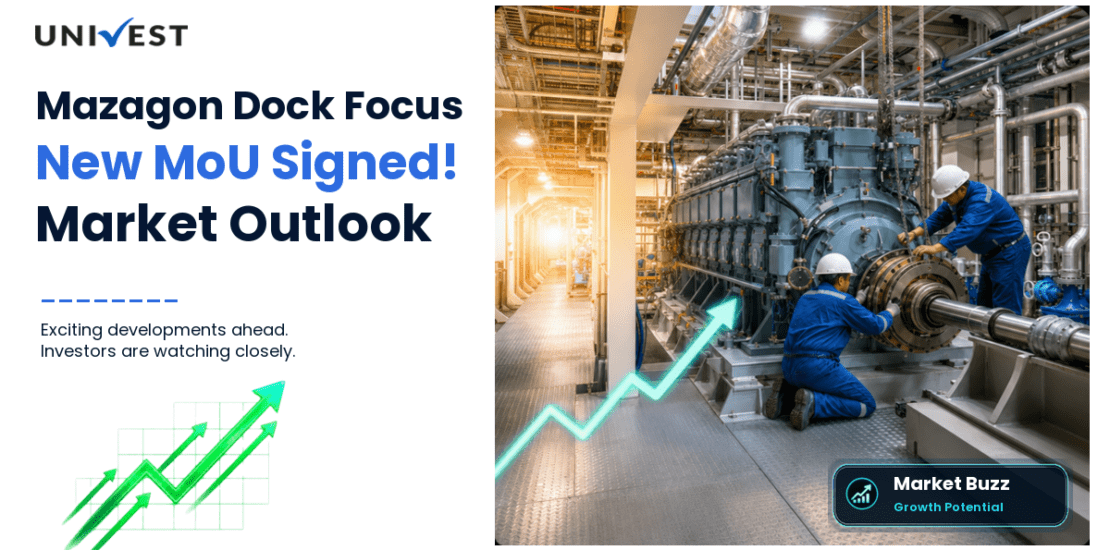
Mazagon Dock signs MoU with NSHIPML to be Anchor Shipyard at proposed Greenfield Shipbuilding Industrial Cluster, Dighi, Maharashtra. Proposed capacity: at least 1.2 million GT annually.
Quick Answer
Mazagon Dock share price is likely to be in focus after the company signed a memorandum of understanding with National Shipbuilding & Heavy Industries Park Maharashtra to participate as the Anchor Shipyard in a proposed Greenfield Shipbuilding Industrial Cluster at Dighi, Maharashtra. The proposed shipyard envisages an annual shipbuilding capacity of at least 1.2 million gross tonnage, a scale that would represent a significant expansion of India’s domestic shipbuilding capabilities if it proceeds as planned. As an MoU rather than a binding commitment, the agreement marks an early but meaningful step toward a large, multi-year infrastructure project.
Mazagon Dock share price is likely to draw attention after the defence shipbuilder announced it has signed a memorandum of understanding with National Shipbuilding & Heavy Industries Park Maharashtra, known as NSHIPML, to serve as the Anchor Shipyard for a proposed greenfield shipbuilding cluster, a development that puts the Mazagon Dock share price back in the news cycle.
The proposed facility, to be located at Dighi in Maharashtra, envisages an annual shipbuilding capacity of at least 1.2 million gross tonnage, positioning it as a large-scale addition to India’s shipbuilding infrastructure if the project moves from planning to execution.
Click Here – Get Free Investment Predictions
What Being the Anchor Shipyard Means for Mazagon Dock
As Anchor Shipyard for the proposed Greenfield Shipbuilding Industrial Cluster, Mazagon Dock would play a lead role in shaping and operating within the new facility, likely drawing on its decades of experience building naval vessels and other ships for the Indian Navy and export clients, experience that underpins much of the long-term thesis behind the Mazagon Dock share price.
This kind of anchor-tenant role in a large industrial cluster typically gives the company both early access to expanded capacity and a degree of influence over the cluster’s development priorities, though the actual commercial terms and capital commitments involved are not detailed in the initial MoU announcement.
Screen Defence and Shipbuilding Stocks on Univest
Why This MoU Matters for India’s Shipbuilding Ambitions
India has been actively working to expand its domestic shipbuilding capacity as part of a broader push toward self-reliance in defence manufacturing and to capture a larger share of global commercial shipbuilding orders, a sector historically dominated by China, South Korea and Japan.
A proposed capacity of at least 1.2 million gross tonnage annually at a single greenfield cluster would be a meaningful addition to India’s shipbuilding base, and Mazagon Dock’s role as anchor shipyard aligns with the company’s positioning as one of India’s most established defence shipbuilders.
Also read – Steel Stocks Rally as Nomura Backs Tata Steel, JSW Steel and Jindal Steel Buy Calls Amid 4-Year High Prices
What Investors Should Watch Next for Mazagon Dock
Since this is a memorandum of understanding rather than a definitive, funded project agreement, investors tracking the Mazagon Dock share price should watch for subsequent announcements detailing the project’s financing structure and timeline before treating it as a confirmed capacity expansion.
MoUs of this scale often take considerable time to progress into binding agreements and eventual construction, so near-term financial impact on Mazagon Dock is likely to be limited, even as the long-term strategic significance of the announcement is notable.
Also read – RBI Rate Hike Alert: Nomura Sees 50 bps Increase in Q4 as Inflation Pressure Builds
Download the Univest iOS App or Univest Android App to track Mazagon Dock and other defence stocks live.
Conclusion
The MoU to serve as Anchor Shipyard at a proposed 1.2 million gross tonnage greenfield cluster is a strategically significant, if still early-stage, development for Mazagon Dock. Investors should watch for further details on financing and timelines before factoring this into near-term earnings expectations, and should consult a SEBI-registered investment adviser before making investment decisions.
Disclaimer: Data and figures in this article are sourced from publicly available information. These may or may not be accurate. Please verify all data with the official NSE (nseindia.com) and BSE (bseindia.com) websites before making any investment decision. Investments in securities are subject to market risk. This content is for educational purposes only and is not investment advice by Univest (SEBI RA INH000013776).
FAQs
What MoU did Mazagon Dock sign?
Ans. Mazagon Dock signed a memorandum of understanding with National Shipbuilding & Heavy Industries Park Maharashtra to participate as the Anchor Shipyard in a proposed Greenfield Shipbuilding Industrial Cluster at Dighi, Maharashtra.
What is the proposed capacity of the new shipbuilding cluster?
Ans. The proposed shipyard envisages an annual shipbuilding capacity of at least 1.2 million gross tonnage.
Is this MoU a confirmed, funded project for Mazagon Dock?
Ans. No. It is a memorandum of understanding, an early step that would need to be followed by binding agreements detailing financing and timelines before construction begins.
What role will Mazagon Dock play in the new cluster?
Ans. Mazagon Dock will participate as the Anchor Shipyard, typically a lead role in shaping and operating within the proposed industrial cluster.
Why is India expanding its shipbuilding capacity?
Ans. India has been pushing to expand domestic shipbuilding capacity as part of broader self-reliance goals in defence manufacturing and to capture a larger share of global commercial shipbuilding orders.
Will this MoU have an immediate financial impact on Mazagon Dock?
Ans. Near-term financial impact is likely to be limited, since MoUs of this scale typically take considerable time to progress into binding, funded agreements.
